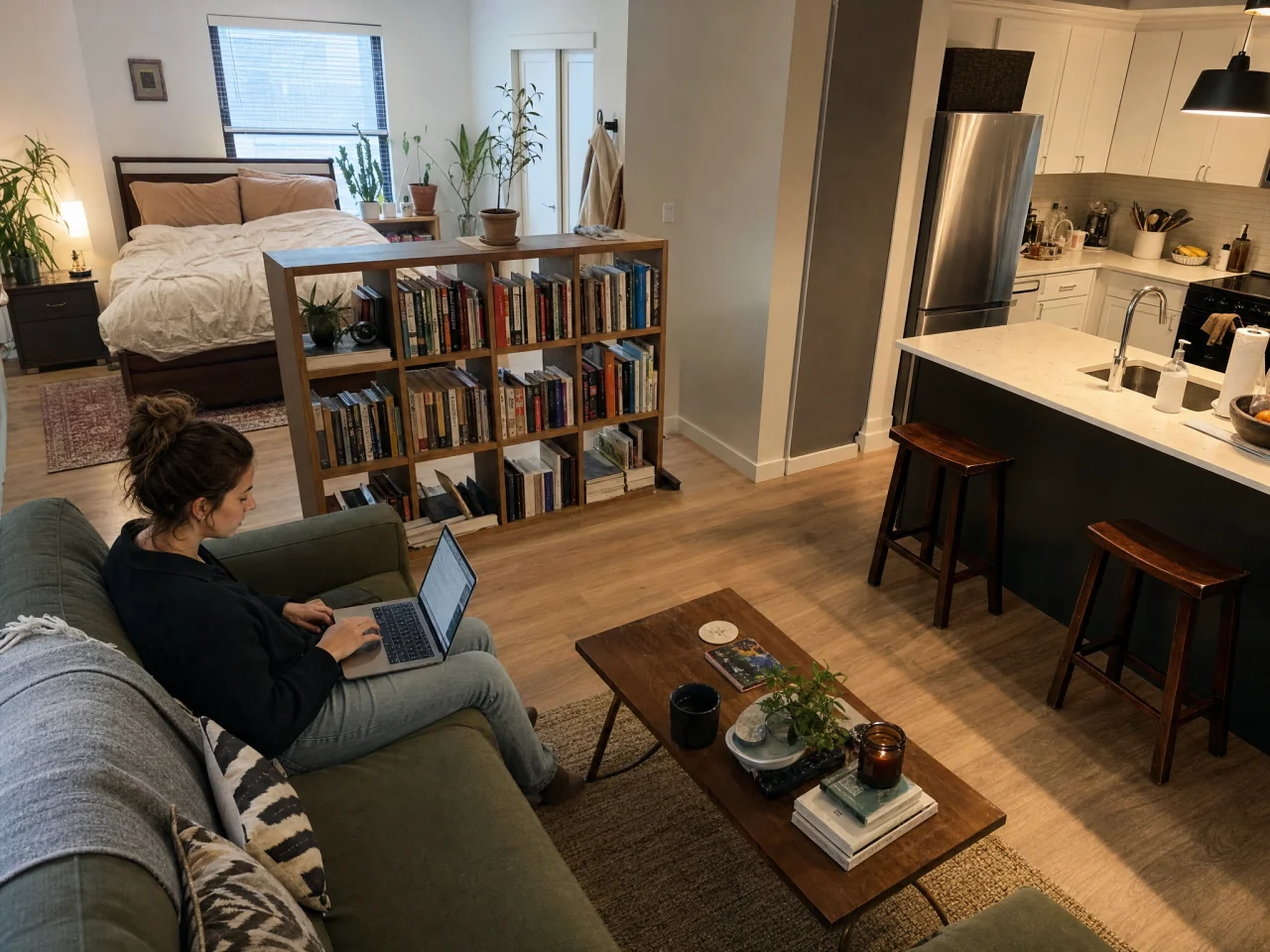
How to organize a studio apartment
Create clear zones, open walking paths, and useful storage so one room can support cooking, sleeping, relaxing, and daily life.
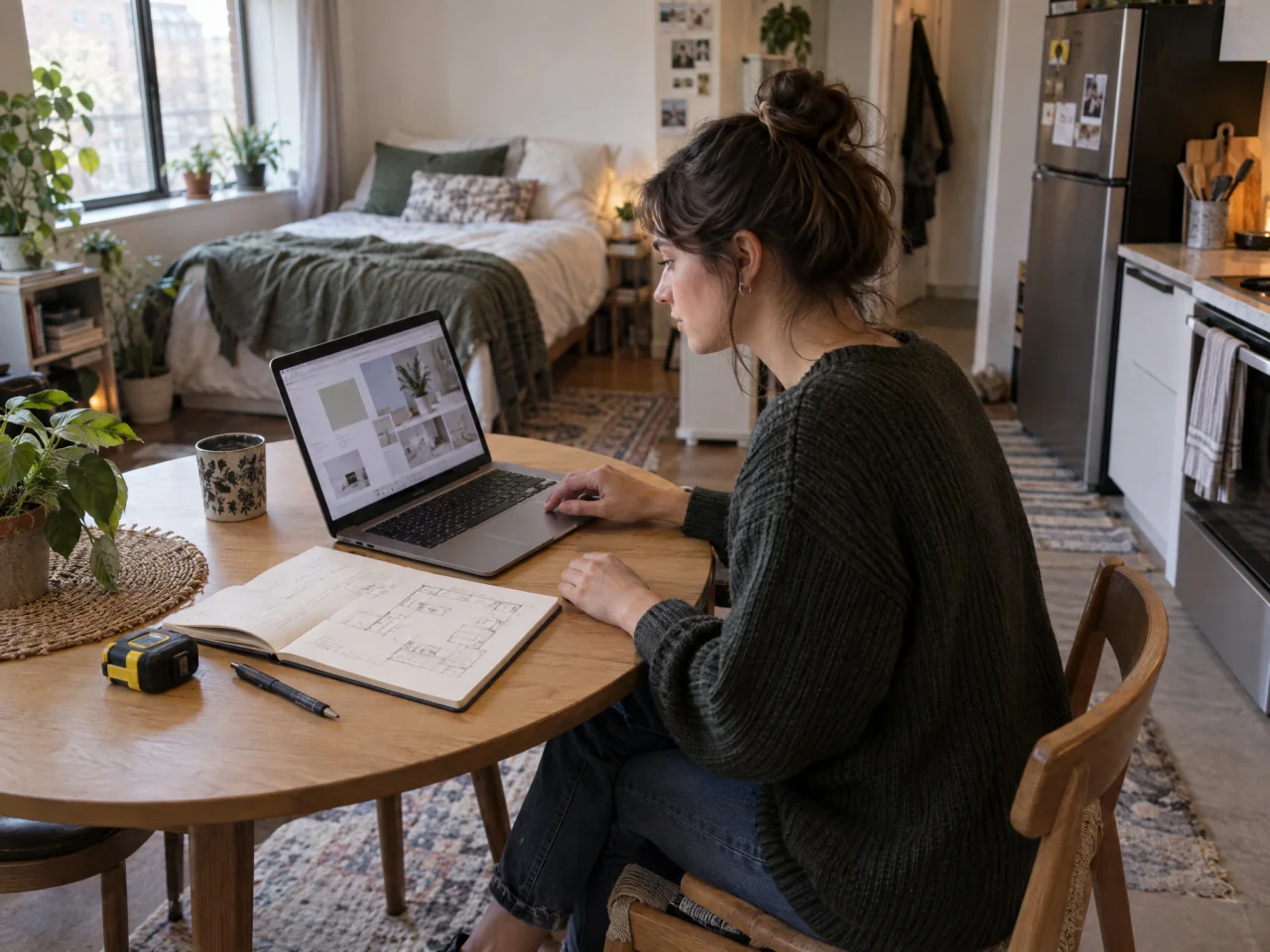
Make one room do more
A studio has to support several parts of your day without making the room feel crowded. The goal is to place things where you use them and keep the main paths open.
Share your room size, fixed features, current furniture, budget, and biggest trouble spots, and ChatGPT can turn those limits into a practical plan you can follow step by step.
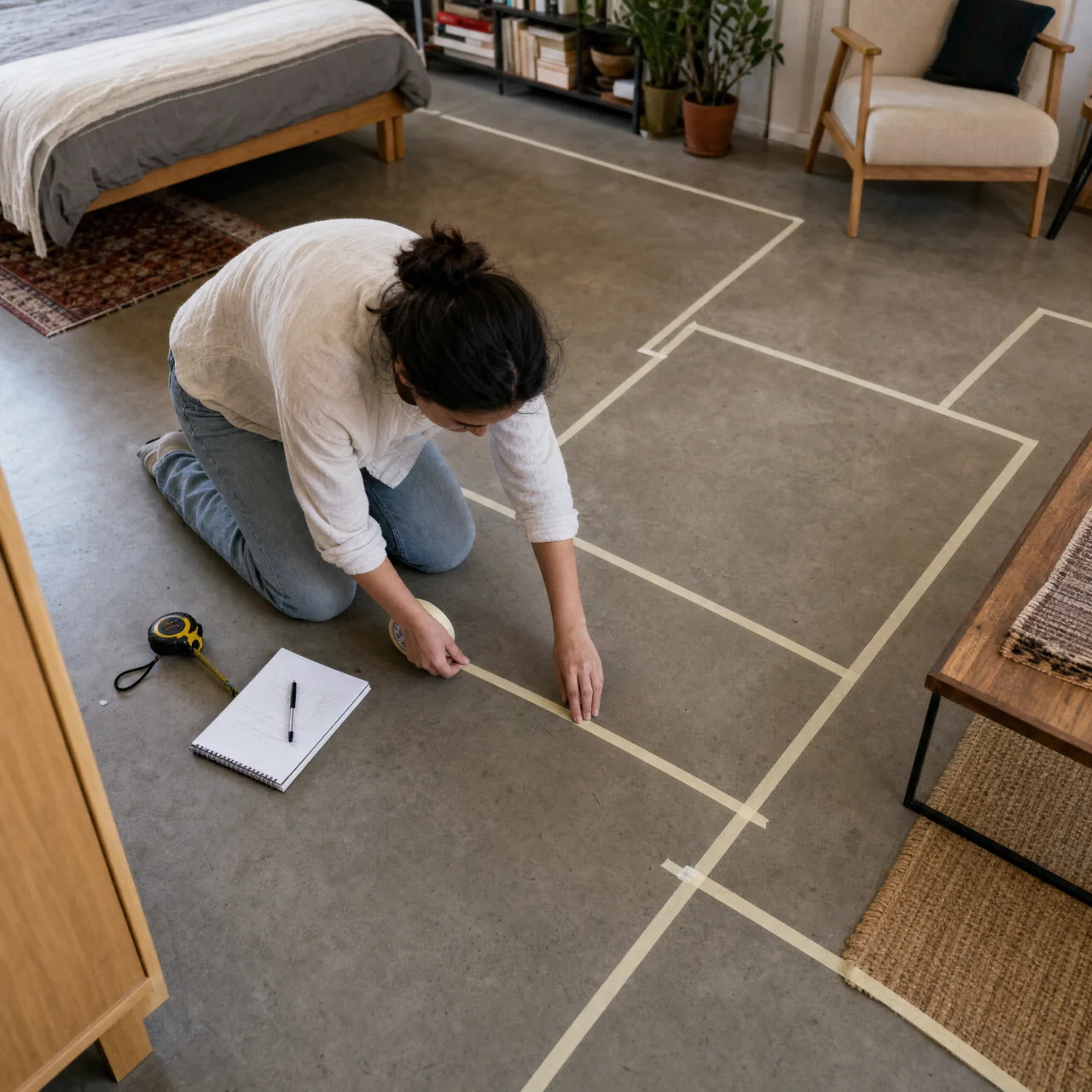
Give each activity a clear zone
In a studio, every object shares one room, so good organization starts with clear paths, fixed features, and a zone for each daily activity. Items used every day should stay close to their zone, while less-used things can go higher, lower, or farther away. ChatGPT can review a photo or simple floor sketch and show where living, sleeping, cooking, and storage zones could fit without blocking movement.
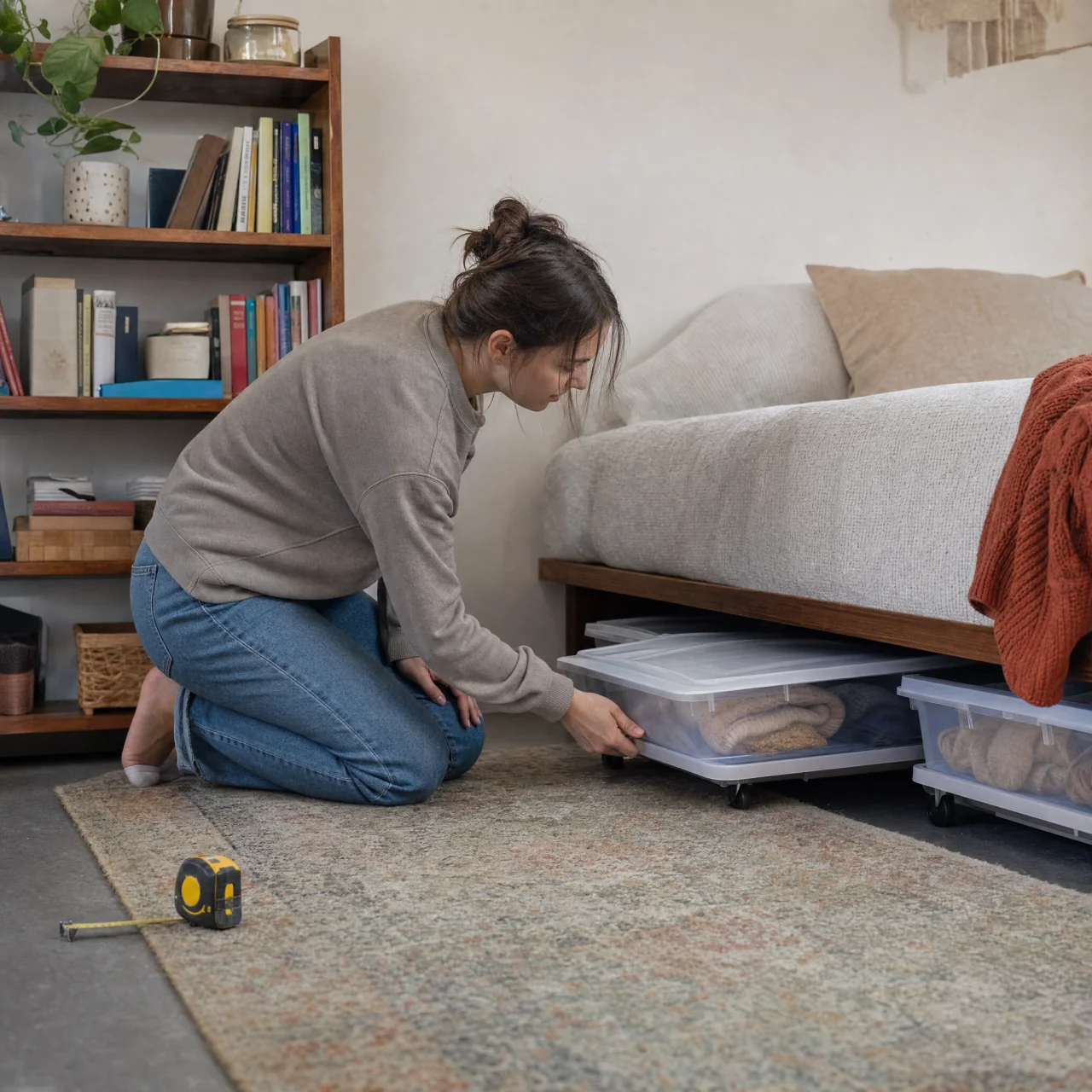
Spend where storage matters most
A tight budget does not mean every storage fix must be temporary or homemade. The best value often comes from moving what you own, using overlooked vertical or under-bed space, and measuring a problem before buying anything that must fit it. ChatGPT can use your budget, rental rules, current furniture, and biggest clutter problems to rank free changes first and suggest only a few useful purchases.
The right order for a studio reset
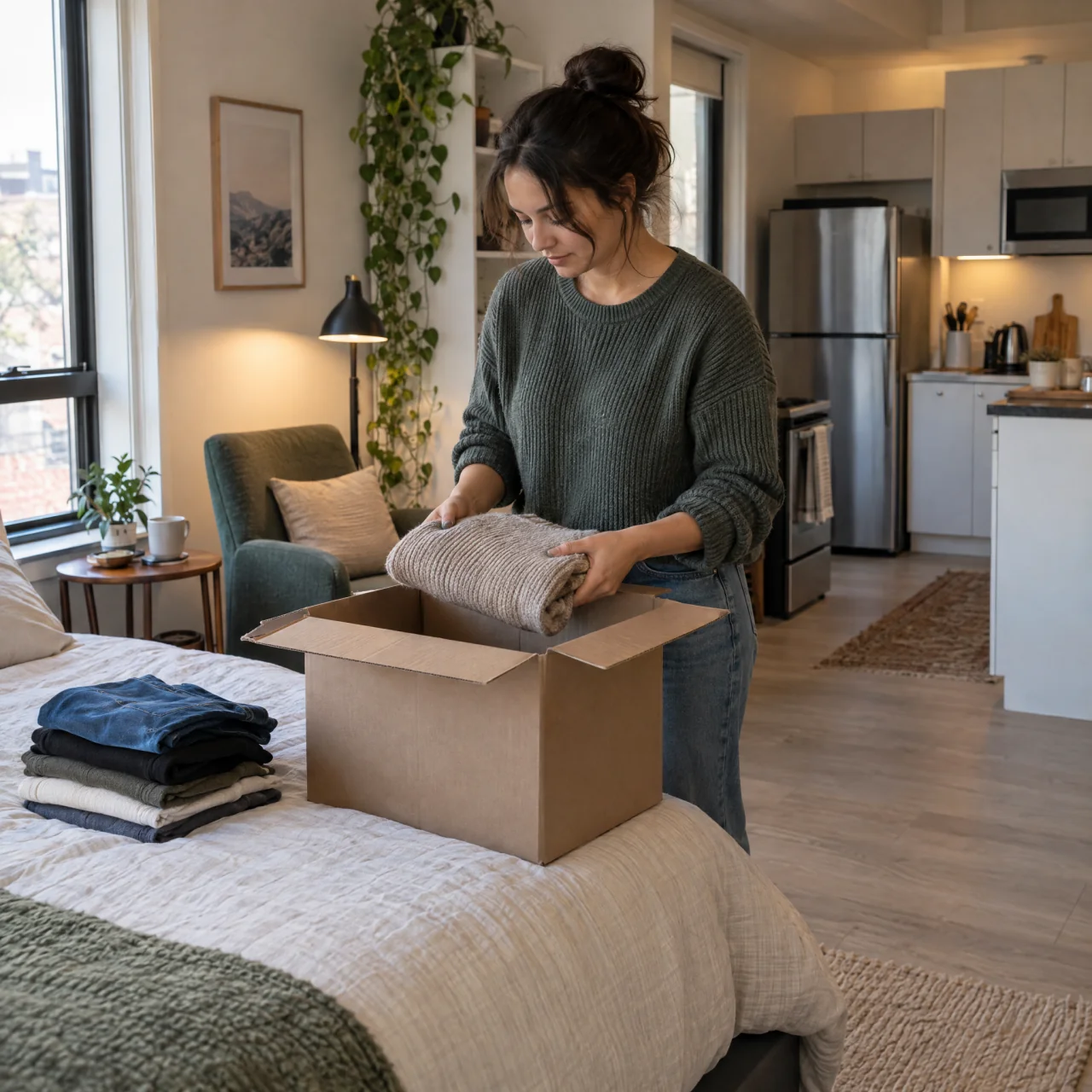
A studio reset feels smaller when each pass makes the room usable before the next one begins. A sound order is to clear walking paths, group items by activity, remove what does not belong, assign homes, add space-saving storage, and finish with a quick daily reset spot. ChatGPT can turn your trouble spots, rough item list, and available time into an ordered task list split across one session or several short blocks.
Test whether the room stays usable
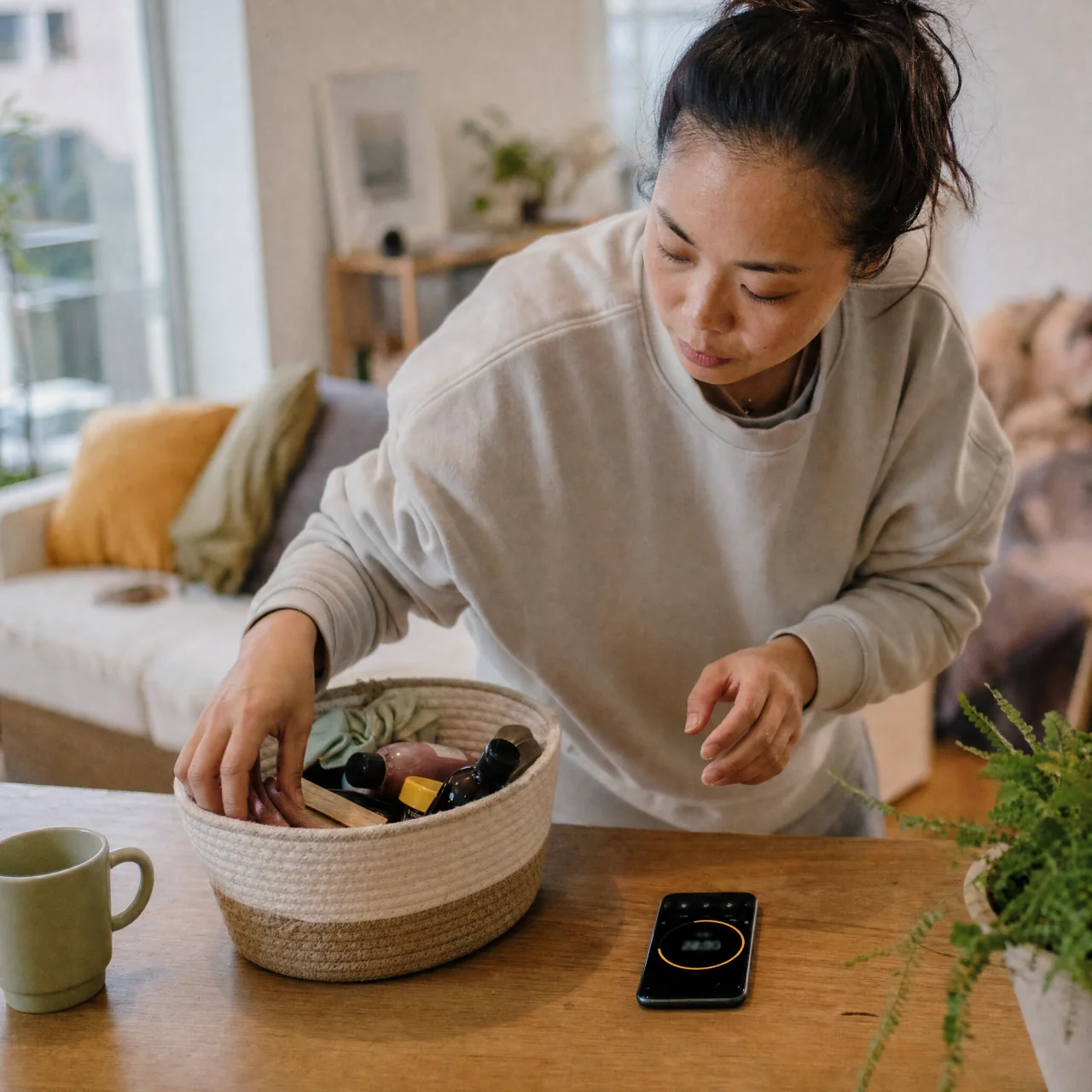
Organization works only if the room stays easy to use on a normal day. After a week, check whether paths remain open, daily items are easy to reach, flat surfaces stay clear, and the room can return to order in about ten minutes. ChatGPT can review your setup description and one week of clutter notes to identify storage friction and suggest small changes that make the system easier to keep.
Ask ChatGPT
Keep your home easier to manage
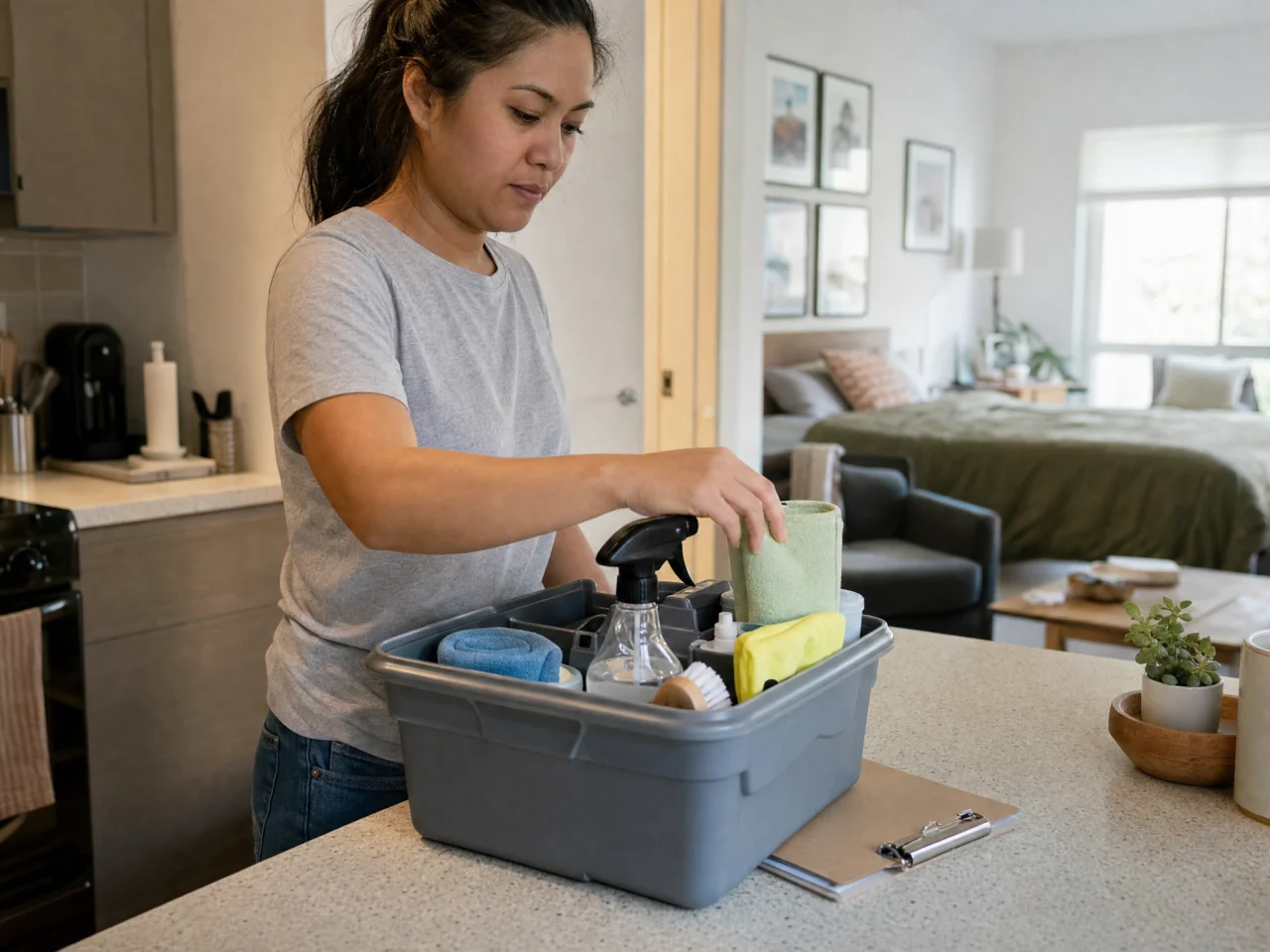
Once you've organized your studio, it's easier to enjoy when basic upkeep fits your week. Create a simple cleaning routine or a reusable checklist for the whole home.