
Daily skincare routine for oily skin
Build a simple morning and nighttime routine that controls shine, protects your skin barrier, and helps you adjust products while reducing irritation risk.
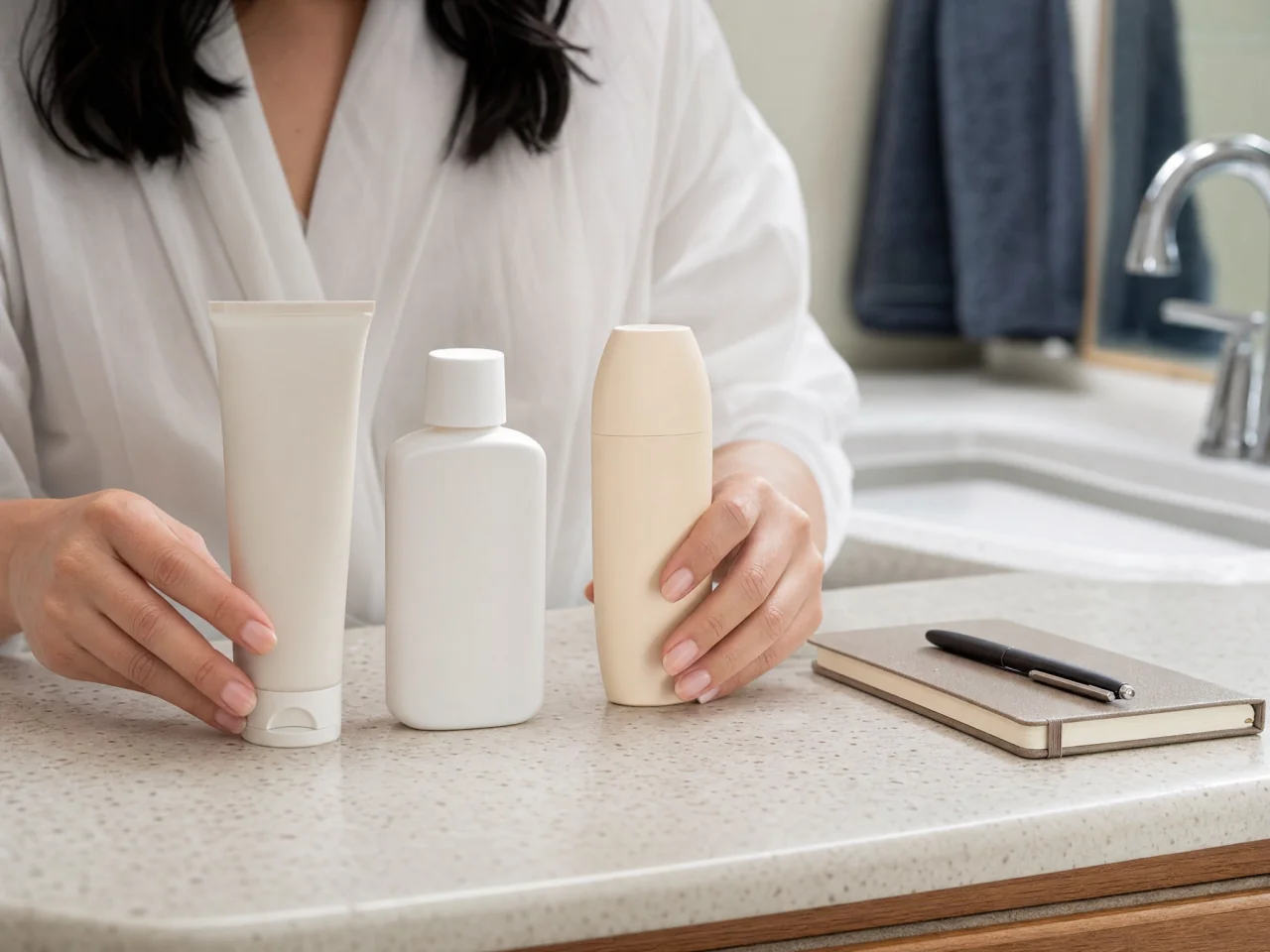
A balanced plan for oily skin
An oily-skin routine should manage shine without making your face feel tight, sore, or stripped. The best plan is often short, steady, and changed slowly so you can see what works.
Share how your skin feels after washing, the products or active ingredients you use, and any sensitivity or acne treatment. ChatGPT can use those details to suggest a gentle daily approach and point out what may need care.
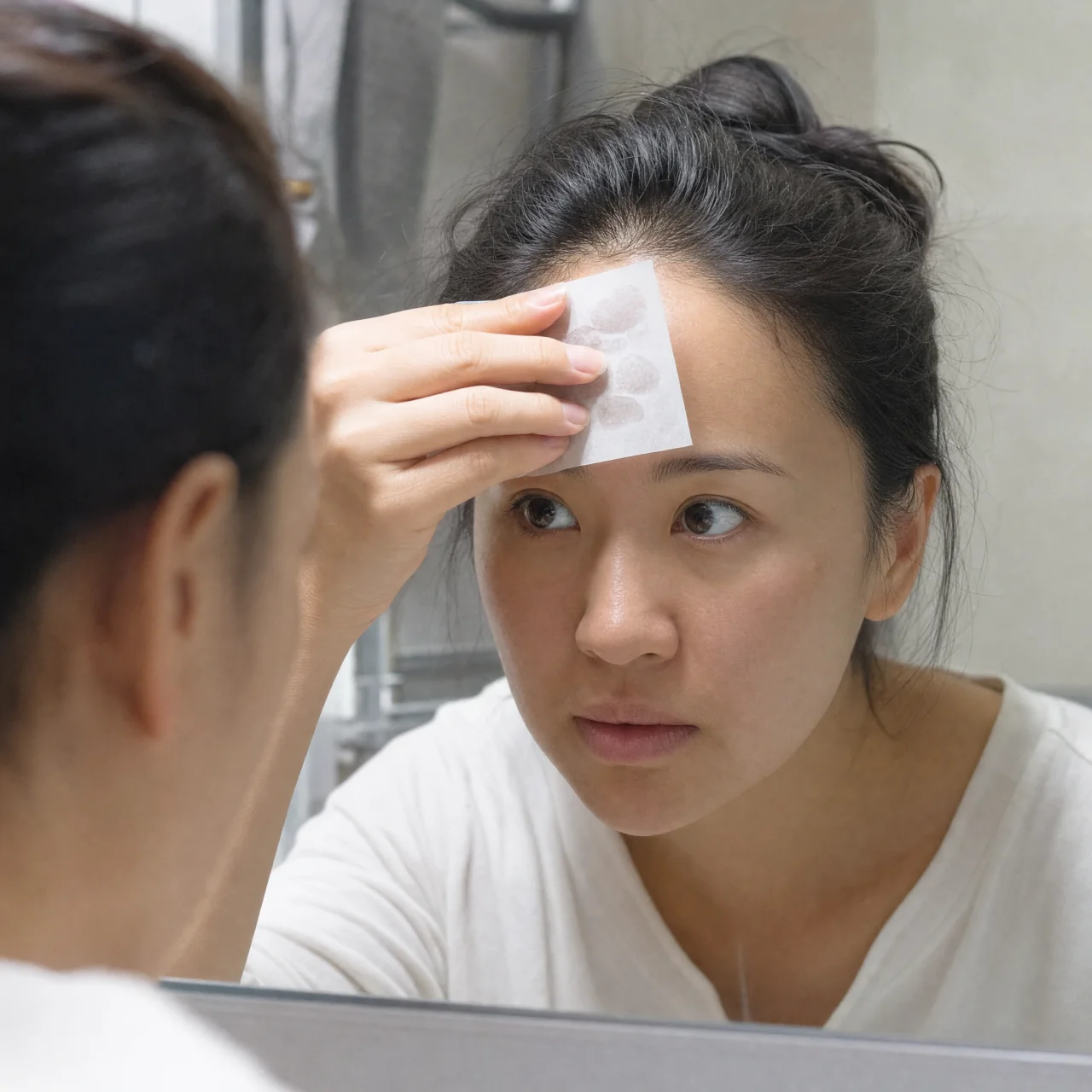
What your skin is telling you
Shine alone does not mean oily skin needs stronger cleansing, while tightness, flakes, or burning after washing can signal irritation. Stop products that cause persistent irritation, and seek a dermatologist's advice for painful cysts, scarring, or a spreading rash. ChatGPT can explain what common skin signals may suggest and help you tell everyday shine from signs that a routine may be too harsh.
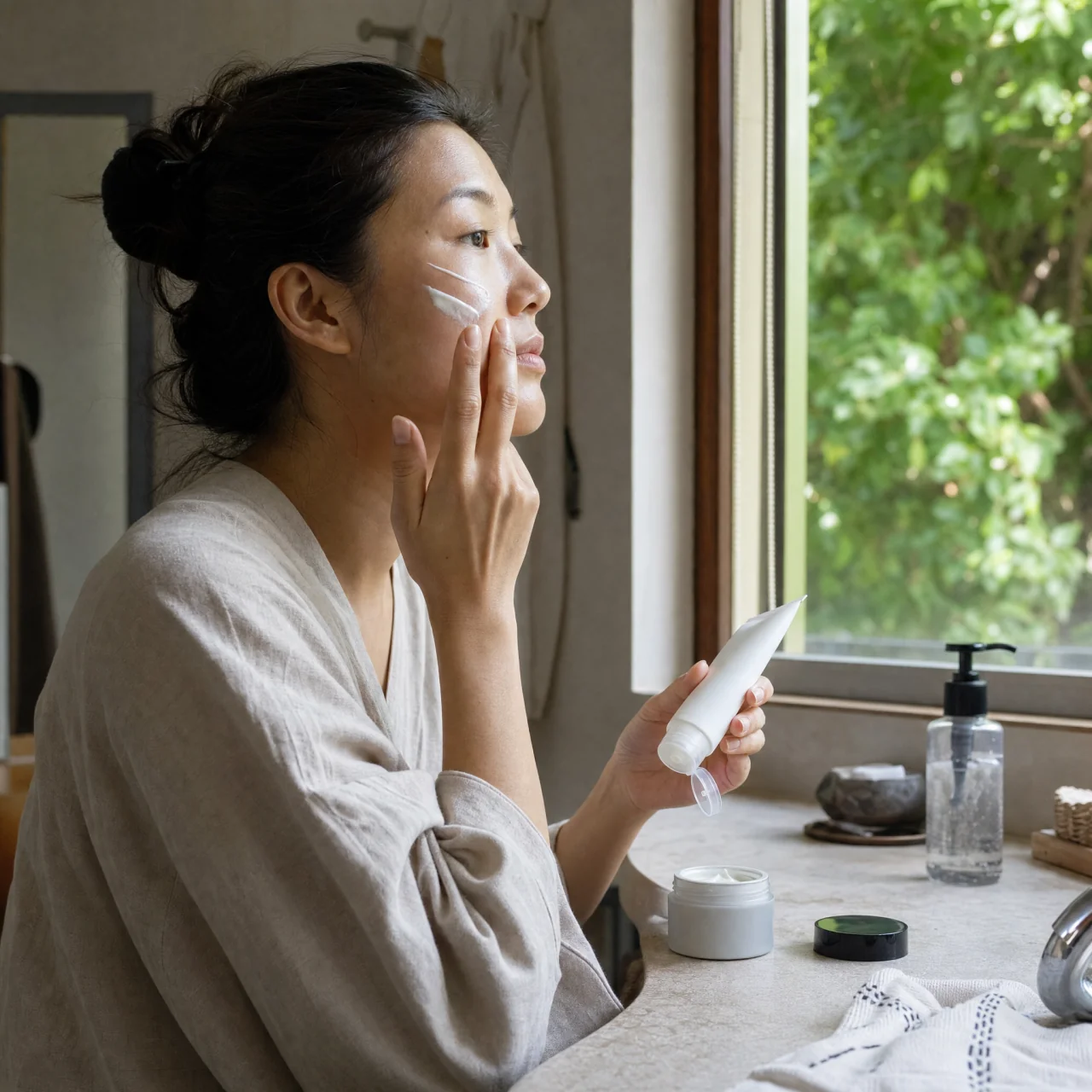
A simple morning and night routine
Morning care can stay basic: use a gentle cleanser, a light moisturizer, and broad-spectrum SPF 30 or higher. At night, cleanse and moisturize; if adding an oil-control treatment between those steps, patch-test it first, introduce only one active at a time, and follow its label or your clinician's directions. ChatGPT can turn your current products, skin sensitivity, and acne treatments into a clear morning and night order with simple notes for each step.
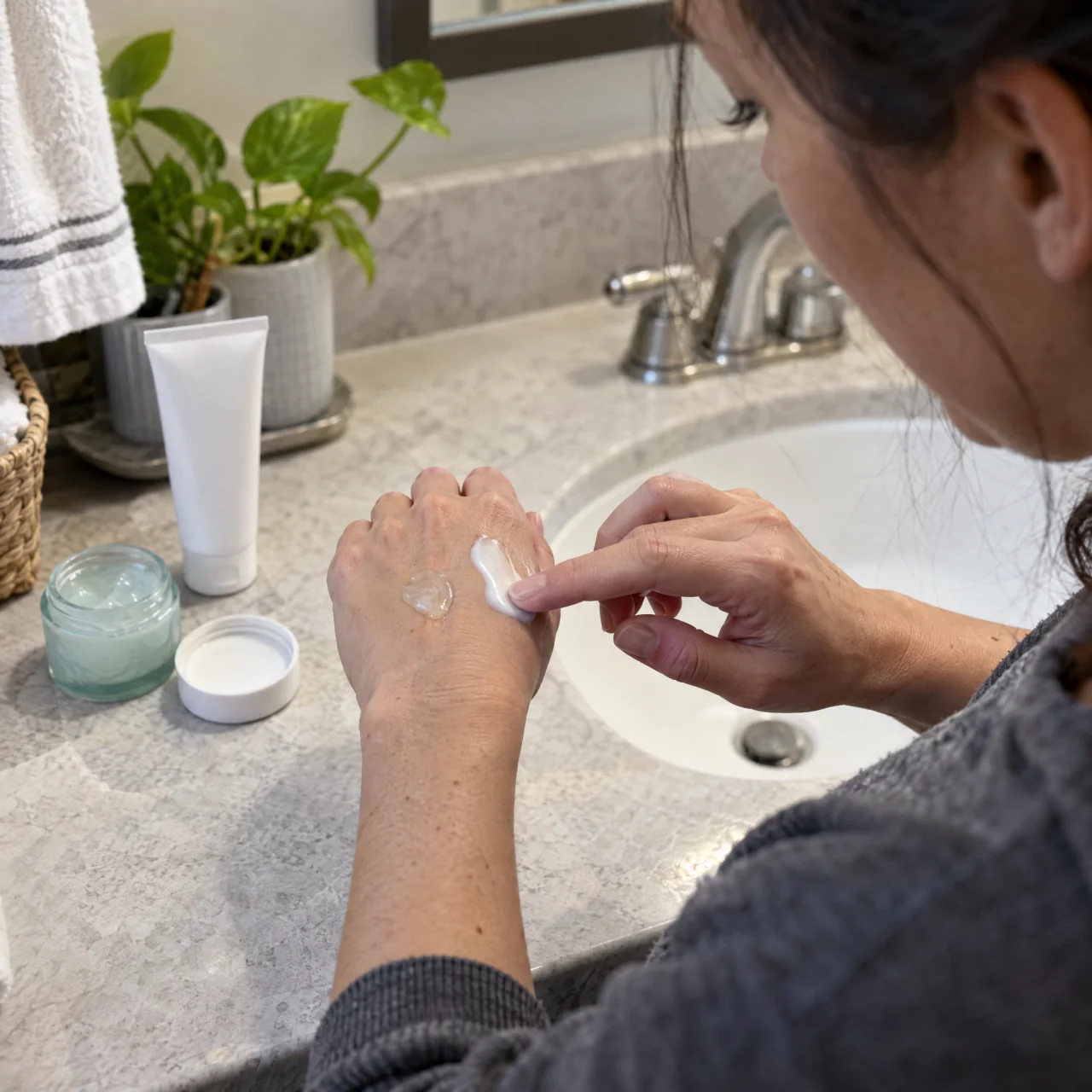
Gel-cream or light lotion?
A gel-cream may feel lighter on oily skin, while a light lotion may feel more comfortable if your face feels tight after cleansing. Choose by comfort rather than the texture name alone: either should leave skin comfortable without stinging, and a moisturizer that already works does not need replacing just because it is not labeled for oil control. ChatGPT can compare gel-cream and light lotion moisturizers for oily facial skin and explain when keeping your current moisturizer makes sense.
Adjust one thing at a time
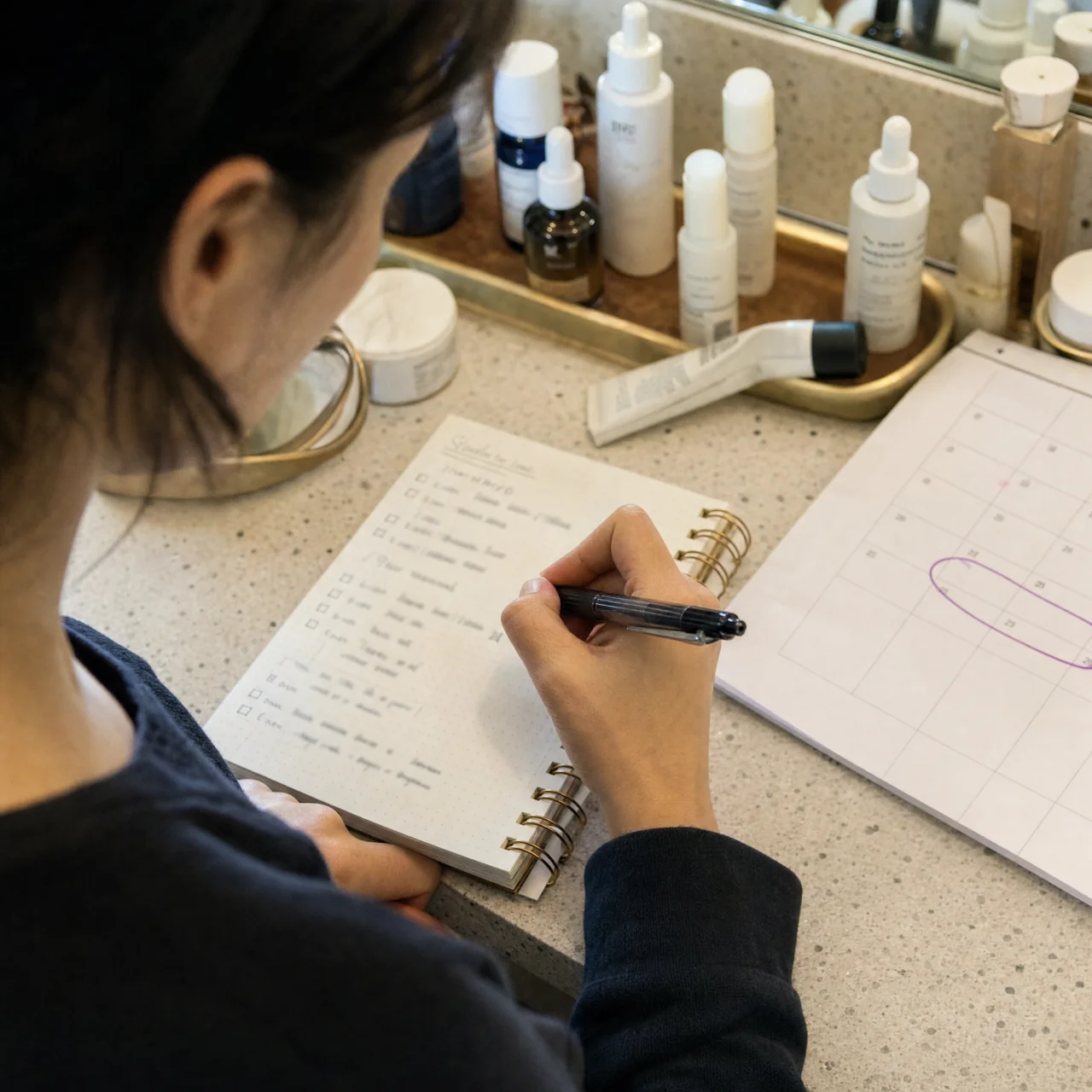
Use two to four weeks as an initial check of comfort and consistency, addressing irritation sooner; acne-treatment results may take longer, so follow product or clinician guidance. Track midday shine, breakouts, tightness, and stinging, then change only one product or step so you can tell what helped or hurt. ChatGPT can review your recent skin changes and routine use, then suggest one practical adjustment while keeping the rest of your steps steady.
Ask ChatGPT
Make the rest of self-care simpler
Now that your skin steps are clear, create a practical self-care plan for the rest of your week. It can balance personal care with your time and priorities.